Understanding the building blocks of life and their roles in human physiology.
Proteins are macromolecules composed of amino acids linked in specific sequences. These sequences determine the protein's structure and function within the body. There are 20 amino acids that combine in various configurations to create thousands of different proteins.
Proteins serve numerous essential functions: they form muscle tissue, create enzymes that catalyze biochemical reactions, transport molecules through the bloodstream, and support immune function through antibodies.
The human body can synthesize 11 of the 20 amino acids. The remaining 9 essential amino acids must be obtained from food sources. These include leucine, isoleucine, valine, methionine, phenylalanine, tryptophan, threonine, lysine, and histidine.
Though the body can produce these amino acids, obtaining them from food can reduce metabolic demand. This category includes alanine, arginine, asparagine, aspartate, cysteine, glutamate, glutamine, glycine, proline, serine, and tyrosine.
A "complete protein" contains all 9 essential amino acids in adequate proportions. "Incomplete proteins" lack one or more essential amino acids. Combining different protein sources throughout the day can provide all essential amino acids.
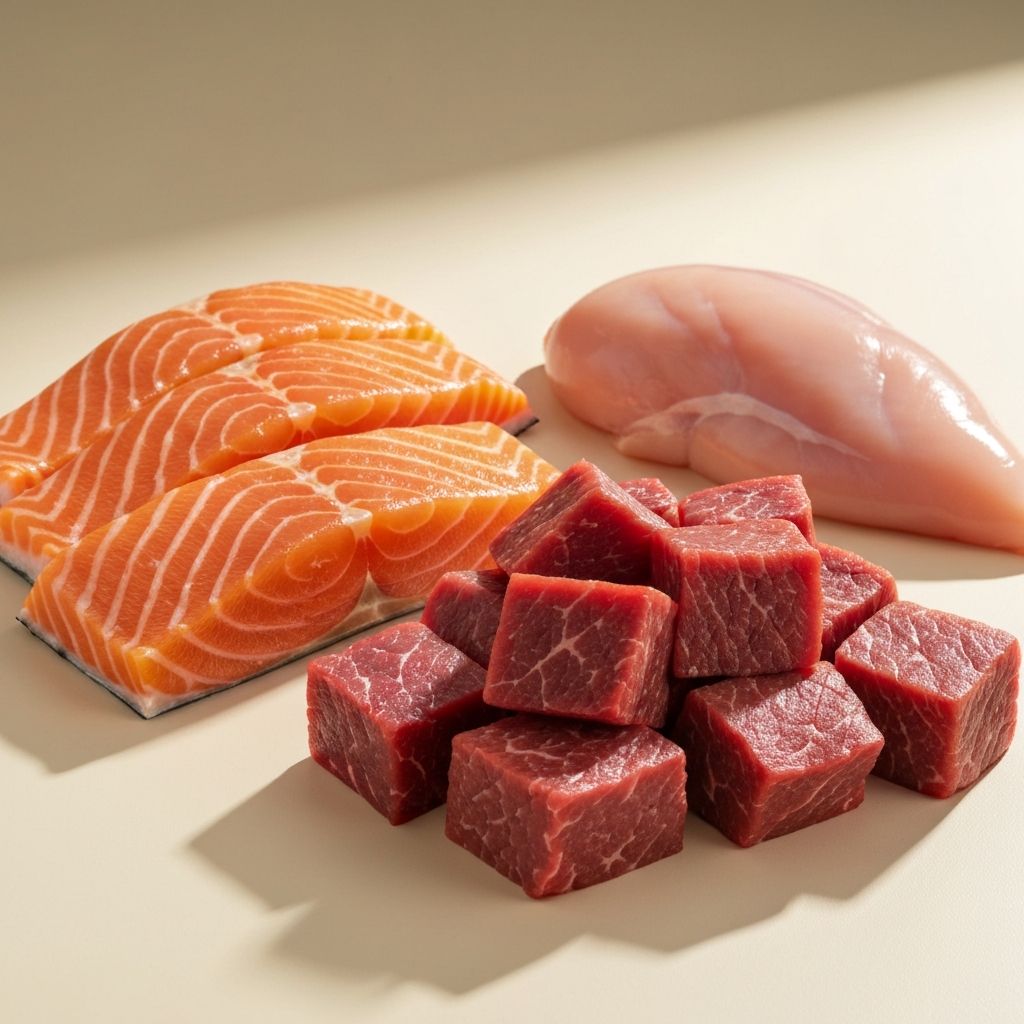
Fish, poultry, beef, eggs, and dairy products are complete proteins, containing all essential amino acids in balanced proportions.
Legumes, grains, nuts, and seeds provide protein but may be incomplete individually. Combining legumes with grains, for example, creates a complete protein profile.
Proteins compose muscle fibers, connective tissues, and skin. Collagen, keratin, and elastin are protein examples that provide structural support.
Enzymes are proteins that catalyze biochemical reactions—from digestion to DNA replication—enabling countless physiological processes at the molecular level.
Hormones and signaling proteins regulate metabolism, growth, immune response, and countless other physiological processes throughout the body.
Understanding proteins and amino acids provides insight into fundamental mechanisms of human physiology. Whether from animal or plant sources, protein consumption provides the essential amino acids the body requires for growth, maintenance, and function.
This is not a medicinal product. Consult a doctor before use.